

A modern világban az autótulajdonlás és használat kérdése szinte mindannyiunkat érint, függetlenül attól, hogy városi vagy vidéki környezetben élünk. Ez a döntés messze túlmutat egy egyszerű közlekedési eszköz beszerzésén – életstílusunkat, pénzügyi helyzetünket, környezeti tudatosságunkat és napi rutinjainkat egyaránt befolyásolja.
Az autóhasználat témája különösen összetett, hiszen számtalan szempontból közelíthetjük meg. Van, aki a szabadság és függetlenség szimbólumát látja benne, míg mások a környezeti terhelés és költségek miatt kételkednek annak szükségességében. A technológiai fejlődés, az elektromos járművek térnyerése és a közösségi közlekedés modernizációja újabb dimenziókat adott ehhez a vitához.
Ebben az átfogó elemzésben minden lényeges aspektust megvizsgálunk, hogy segítsünk neked megalapozott döntést hozni. Részletesen bemutatjuk mind az előnyöket, mind a hátrányokat, gyakorlati tanácsokkal és konkrét példákkal illusztrálva őket. Célunk, hogy objektív képet kapj arról, mit jelent valójában autót birtokolni és használni a 21. században.
The Major Advantages of Car Ownership
Freedom and Independence
Personal mobility represents one of the most compelling reasons why millions choose car ownership. Having your own vehicle means you're no longer bound by public transportation schedules or routes that might not serve your specific needs. This independence becomes particularly valuable when:
• Traveling to remote locations not served by public transit
• Managing emergency situations requiring immediate transportation
• Accommodating irregular work schedules or multiple daily destinations
• Transporting family members with special mobility needs
The psychological aspect of this freedom shouldn't be underestimated. Knowing you can leave whenever you want, take any route you prefer, and make spontaneous stops along the way contributes significantly to personal autonomy and peace of mind.



Convenience and Time Efficiency
Modern life often demands efficient time management, and personal vehicles excel in this area. Door-to-door transportation eliminates the walking time to and from transit stops, waiting periods, and potential delays caused by service disruptions.
Consider these time-saving scenarios:
- Grocery shopping: Loading heavy bags directly into your car versus carrying them on public transport
- Multiple errands: Combining several stops in one trip rather than planning separate transit journeys
- Weather independence: No need to wait at exposed bus stops during storms or extreme temperatures
- Peak hour flexibility: Ability to adjust departure times to avoid the worst congestion
"The average commuter saves approximately 30-45 minutes daily when using personal transportation compared to public transit, especially in suburban areas with limited service frequency."
Comfort and Privacy
Your car serves as a private sanctuary where you control the environment completely. This personal space offers numerous benefits that public transportation simply cannot match:
🚗 Climate control adjusted to your exact preferences
🎵 Entertainment choices – your music, podcasts, or silence
📞 Private conversations without disturbing others or being overheard
💺 Seating comfort in familiar surroundings
🧳 Personal storage for work materials, emergency supplies, or daily necessities
The comfort factor becomes especially important for individuals with health conditions, parents traveling with young children, or professionals who need to maintain a certain appearance throughout their commute.
Economic Opportunities and Accessibility
Car ownership often expands employment possibilities by removing geographical constraints. This mobility advantage can lead to:
- Access to higher-paying jobs in different areas
- Ability to work multiple part-time positions
- Opportunities for side businesses requiring transportation
- Reduced housing costs by living in more affordable areas outside city centers
| Transportation Method | Job Search Radius | Average Commute Options |
|---|---|---|
| Public Transit Only | 15-25 miles | Limited to transit routes |
| Personal Vehicle | 50+ miles | Unlimited route flexibility |
| Walking/Cycling | 5-10 miles | Weather and distance dependent |
The Significant Disadvantages of Car Ownership
Financial Burden and Hidden Costs
The economic impact of car ownership extends far beyond the initial purchase price. Many new car owners underestimate the total cost of ownership, which includes numerous ongoing expenses:
Direct Costs:
- Monthly loan or lease payments
- Insurance premiums (varying by location, age, and driving record)
- Fuel expenses (fluctuating with market prices)
- Regular maintenance (oil changes, tire rotations, inspections)
- Unexpected repairs (transmission, engine, electrical systems)
Indirect Costs:
- Registration and licensing fees
- Parking fees (especially in urban areas)
- Depreciation (vehicles lose 20-30% of value in the first year)
- Opportunity cost of capital tied up in the vehicle
"The average annual cost of car ownership in developed countries ranges from $8,000 to $12,000, including all associated expenses, making it the second-largest household expense after housing for many families."
Environmental Impact and Sustainability Concerns
Personal vehicles contribute significantly to environmental degradation through multiple pathways. Understanding these impacts is crucial for environmentally conscious decision-making:
Air Quality Issues:
- Carbon dioxide emissions contributing to climate change
- Nitrogen oxides and particulate matter affecting local air quality
- Volatile organic compounds contributing to smog formation
Resource Consumption:
- Manufacturing requires substantial raw materials and energy
- Petroleum dependency for conventional vehicles
- Road infrastructure development consuming natural habitats
Waste Generation:
- End-of-life vehicle disposal challenges
- Used tire and oil disposal requirements
- Packaging waste from parts and maintenance supplies
Traffic Congestion and Urban Challenges
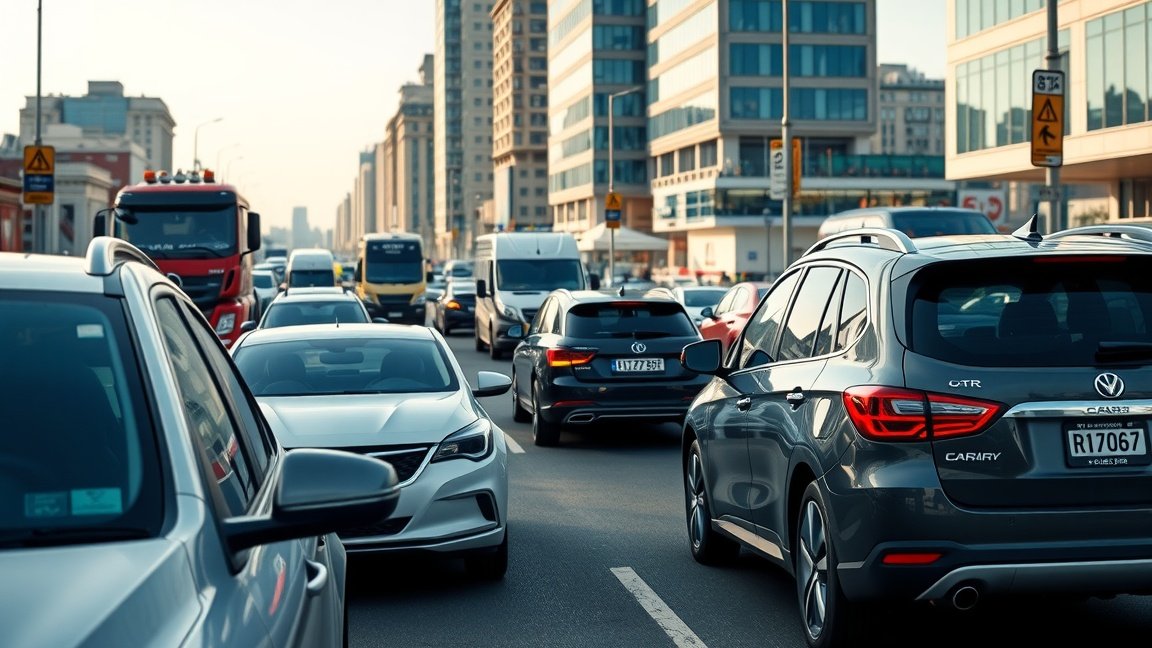
As car ownership rates increase, traffic congestion becomes a self-perpetuating problem. More cars on the road lead to:
- Increased commute times, negating time-saving benefits
- Higher stress levels due to stop-and-go traffic
- Reduced air quality in congested areas
- Infrastructure strain requiring costly road expansions
- Parking scarcity in dense urban areas
The irony is that the convenience factor that attracts people to car ownership diminishes as more people make the same choice, creating a collective action problem.
Health and Safety Considerations
Vehicle ownership introduces various health and safety risks that public transportation users typically avoid:
Physical Health Impacts:
- Sedentary lifestyle promotion due to reduced walking
- Air pollution exposure, especially during traffic jams
- Stress-related health issues from driving in heavy traffic
- Potential for repetitive strain injuries from prolonged driving
Safety Concerns:
- Traffic accident risks (both as driver and passenger)
- Vehicle theft and vandalism possibilities
- Mechanical failures potentially causing accidents
- Distracted driving temptations from mobile devices
"Traffic accidents remain one of the leading causes of injury and death globally, with personal vehicle occupants accounting for the majority of casualties in developed nations."
Comparative Analysis: Public Transportation vs. Private Vehicles
Cost Comparison Over Time
Understanding the long-term financial implications requires examining both transportation methods over extended periods:
| Expense Category | Private Vehicle (Annual) | Public Transit (Annual) |
|---|---|---|
| Base Cost | $3,000-5,000 (payments) | $1,200-2,400 (passes) |
| Insurance | $1,200-2,500 | $0 (covered by operator) |
| Fuel/Energy | $1,500-3,000 | Included in fare |
| Maintenance | $800-1,500 | $0 |
| Parking | $500-3,000 | $0 |
| Total Range | $7,000-15,000 | $1,200-2,400 |
These figures vary significantly based on location, usage patterns, and vehicle type, but the cost differential remains substantial in most scenarios.
Environmental Impact Assessment
Carbon footprint analysis reveals significant differences between transportation modes:
- Private vehicles: 4-6 tons CO2 annually per vehicle
- Public transit: 0.5-1.5 tons CO2 annually per regular user
- Electric vehicles: 1-2 tons CO2 annually (depending on electricity source)
The environmental advantage of public transportation becomes more pronounced in densely populated areas where high ridership maximizes efficiency.
Lifestyle Integration Factors
Different life circumstances favor different transportation solutions:
Car Ownership Advantages:
- Suburban or rural living situations
- Families with multiple children
- Jobs requiring travel or equipment transport
- Areas with limited public transit infrastructure
- Individuals with mobility limitations
Public Transit Advantages:
- Urban living with comprehensive transit networks
- Single professionals with predictable schedules
- Environmentally conscious individuals
- Students or others with limited financial resources
- People who prefer productive commute time (reading, working)
Alternative Transportation Solutions
Emerging Mobility Options
The transportation landscape is rapidly evolving with innovative solutions that bridge the gap between private ownership and traditional public transit:
🚲 Bike-sharing programs offer short-term bicycle rentals for urban trips
🚗 Car-sharing services provide access to vehicles without ownership responsibilities
🚖 Ride-sharing platforms connect passengers with drivers for on-demand transportation
🛴 E-scooter networks serve last-mile connectivity needs
🚌 Micro-transit services offer flexible routing in lower-density areas
Hybrid Approaches
Many individuals find success with combination strategies that leverage multiple transportation modes:
- Using public transit for daily commuting while maintaining a car for weekends and emergencies
- Relying on car-sharing for occasional longer trips while using cycling for local travel
- Combining ride-sharing with public transit for optimal cost and convenience balance
"The most sustainable and cost-effective transportation strategies often involve using the right mode for each specific trip rather than relying exclusively on one method."
Technology's Impact on Transportation Decisions
Electric Vehicle Revolution
Electric vehicles (EVs) are reshaping the car ownership debate by addressing several traditional concerns:
Environmental Benefits:
- Zero direct emissions during operation
- Decreasing lifecycle carbon footprint as electricity grids become cleaner
- Reduced noise pollution in urban areas
Economic Considerations:
- Lower operating costs due to cheaper electricity versus gasoline
- Reduced maintenance requirements (fewer moving parts)
- Government incentives and tax credits in many regions
- Potential for home solar integration
Challenges Remaining:
- Higher upfront purchase costs
- Charging infrastructure limitations in some areas
- Range anxiety for long-distance travel
- Battery replacement costs after 8-10 years
Autonomous Vehicle Prospects
Self-driving technology promises to fundamentally alter transportation paradigms:
- Potential reduction in private car ownership through shared autonomous fleets
- Improved safety through elimination of human error
- Enhanced mobility access for elderly and disabled populations
- Optimized traffic flow and reduced congestion
However, widespread adoption remains years away, and regulatory, ethical, and technical challenges persist.
Making the Right Decision for Your Situation
Personal Assessment Framework
Before making transportation decisions, conduct a comprehensive personal evaluation:
Financial Assessment:
- Calculate total cost of ownership versus alternatives
- Consider opportunity cost of capital investment
- Evaluate insurance and financing options
- Account for potential emergency transportation needs
Lifestyle Analysis:
- Assess daily travel patterns and destinations
- Consider family size and changing needs
- Evaluate work requirements and flexibility
- Examine recreational and social transportation needs
Environmental Values:
- Determine importance of carbon footprint reduction
- Consider local air quality impacts
- Evaluate sustainable transportation alternatives
- Assess willingness to make lifestyle adjustments
Geographic and Demographic Considerations
Your location and circumstances significantly influence the optimal transportation choice:
Urban Areas:
- Extensive public transit networks may reduce car necessity
- Parking costs and availability become major factors
- Traffic congestion diminishes car ownership benefits
- Alternative transportation options are more readily available
Suburban Environments:
- Limited public transit often necessitates private transportation
- Parking is typically more available and affordable
- Longer distances make walking and cycling less practical
- Car ownership often provides significant convenience benefits
Rural Settings:
- Public transportation is frequently unavailable or impractical
- Longer distances to services and employment
- Vehicle reliability becomes more critical
- Alternative transportation options are severely limited
"The optimal transportation solution varies dramatically based on geographic location, with urban dwellers having significantly more viable alternatives to private car ownership."
Future Planning Considerations
Long-term thinking should influence current transportation decisions:
- Anticipated life changes (family growth, career changes, relocation)
- Evolving transportation technology and infrastructure
- Changing environmental regulations and incentives
- Potential shifts in work patterns (remote work, flexible schedules)
Consider how your transportation needs might evolve over the next 5-10 years rather than focusing solely on current requirements.
Health and Wellness Implications
Physical Health Impacts
Transportation choices significantly affect daily physical activity levels:
Car-Dependent Lifestyle Effects:
- Reduced daily walking and physical activity
- Increased sedentary time contributing to health issues
- Limited incidental exercise opportunities
- Potential for weight gain and cardiovascular problems
Active Transportation Benefits:
- Regular walking to transit stops provides daily exercise
- Cycling as transportation combines commuting with fitness
- Improved cardiovascular health through increased activity
- Enhanced mental well-being through outdoor exposure
Mental Health Considerations
Different transportation modes affect psychological well-being in various ways:
Driving Stress Factors:
- Traffic congestion and road rage incidents
- Parking difficulties and time pressures
- Financial stress from vehicle-related expenses
- Isolation during solo commutes
Public Transit Benefits:
- Opportunity for social interaction and community connection
- Productive use of commute time for reading or relaxation
- Reduced responsibility and decision-making fatigue
- Environmental satisfaction from sustainable choices
"Studies consistently show that individuals who incorporate active transportation into their daily routines report higher levels of physical fitness and mental well-being compared to those who rely exclusively on private vehicles."
Community and Social Impacts
Transportation choices influence community engagement and social connections:
- Car dependency can lead to social isolation and reduced community interaction
- Public transit use often increases exposure to diverse populations and perspectives
- Walking and cycling promote neighborhood familiarity and local business support
- Shared transportation experiences can build community bonds
Economic Implications Beyond Personal Finance
Broader Economic Effects
Individual transportation choices collectively create significant economic impacts:
Infrastructure Costs:
- Road construction and maintenance funded through taxes
- Parking infrastructure requirements in urban planning
- Public transit system funding and operations
- Emergency services and healthcare costs related to traffic accidents
Economic Productivity:
- Time lost to traffic congestion reduces economic efficiency
- Transportation accessibility affects labor market participation
- Vehicle manufacturing and service industries provide employment
- Energy sector impacts from fuel consumption patterns
Urban Development Patterns:
- Car-oriented development creates sprawl and infrastructure inefficiencies
- Public transit investments can drive economic development and property values
- Parking requirements influence building costs and urban density
- Transportation accessibility affects business location decisions
Investment Considerations
Vehicle ownership represents a significant financial commitment with investment implications:
- Depreciation rates vary by vehicle type and market conditions
- Maintenance and repair costs increase with vehicle age
- Insurance costs fluctuate based on driving record and coverage choices
- Resale value depends on market demand and vehicle condition
Understanding these financial dynamics helps in making informed decisions about vehicle purchase timing, financing options, and ownership duration.
Environmental Responsibility and Sustainability
Individual Carbon Footprint Management
Transportation typically represents the largest controllable component of personal carbon footprints:
Emission Reduction Strategies:
- Choosing fuel-efficient or electric vehicles
- Combining trips to reduce total miles driven
- Maintaining vehicles properly for optimal efficiency
- Considering alternative transportation for appropriate trips
Lifecycle Environmental Impact:
- Manufacturing emissions from vehicle production
- Infrastructure impacts from road construction and maintenance
- End-of-life disposal and recycling considerations
- Fuel production and distribution environmental costs
Collective Environmental Responsibility
Individual choices contribute to broader environmental outcomes:
- Air quality in local communities
- Climate change mitigation efforts
- Natural resource conservation
- Sustainable urban development patterns
"While individual transportation choices may seem insignificant, collective decisions about mobility have profound impacts on environmental quality and climate change mitigation efforts."
Sustainable Transportation Evolution
The transportation sector is undergoing fundamental transformation toward sustainability:
- Electric vehicle adoption rates are accelerating globally
- Public transit systems are expanding and modernizing
- Active transportation infrastructure is improving in many cities
- Shared mobility services are reducing vehicle ownership necessity
Understanding these trends helps in making transportation decisions that align with long-term sustainability goals.
What are the main financial considerations when deciding between car ownership and public transportation?
The primary financial factors include the total cost of ownership for vehicles (purchase price, insurance, fuel, maintenance, parking, depreciation) versus public transit costs (monthly passes, occasional ride-sharing). Car ownership typically costs $7,000-15,000 annually, while public transit ranges from $1,200-2,400 annually, though this varies significantly by location and usage patterns.
How do environmental impacts compare between private vehicles and public transportation?
Private vehicles typically generate 4-6 tons of CO2 annually per vehicle, while regular public transit users produce 0.5-1.5 tons annually. Electric vehicles fall in between at 1-2 tons annually, depending on the electricity source. Public transportation becomes more environmentally efficient with higher ridership rates, particularly in dense urban areas.
What lifestyle factors should influence transportation decisions?
Key considerations include living location (urban vs. suburban vs. rural), family size and composition, work requirements, daily travel patterns, and personal values regarding environmental responsibility. Urban areas with comprehensive transit networks favor public transportation, while suburban and rural locations often necessitate private vehicle ownership.
Are there viable alternatives to traditional car ownership or public transit?
Yes, emerging options include car-sharing services, bike-sharing programs, ride-sharing platforms, e-scooter networks, and micro-transit services. Many people successfully use hybrid approaches, combining multiple transportation modes based on specific trip requirements rather than relying exclusively on one method.
How is technology changing transportation options?
Electric vehicles are addressing environmental concerns while reducing operating costs. Autonomous vehicle technology promises future changes in ownership patterns and safety. Smartphone apps have made alternative transportation options more accessible and convenient. Smart city infrastructure is improving public transit efficiency and real-time information availability.
What health impacts should be considered in transportation choices?
Car dependency often reduces daily physical activity and can increase stress levels from traffic and parking challenges. Active transportation (walking to transit, cycling) provides regular exercise and mental health benefits. Air pollution exposure varies by transportation mode, with private vehicles potentially increasing exposure during traffic congestion.